
You’re standing in the middle of the kitchen, staring at the fridge, and you have absolutely no idea why you’re there. We’ve all been there. It’s that frustrating “brain glitch” where a thought simply evaporates before you can act on it.
I’ve spent the better part of 15 years testing every productivity and cognitive hack that hits the market, and lately, everyone is talking about a shortcut: 7-second audio tracks. The claim is bold—that a tiny burst of specific frequencies can “reset” your brain and sharpen your recall. But can something that takes less time than tying your shoes actually make a dent in your cognitive performance? Let’s cut through the marketing noise and look at the reality of using 7-second audio tracks for memory.
The Problem: Our “Dopamine-Fried” Attention Spans
Our brains are under siege. Between the constant pings of social media and the endless stream of work emails, our ability to form deep, lasting memories is shrinking. We aren’t just “forgetful”; we are chronically distracted.
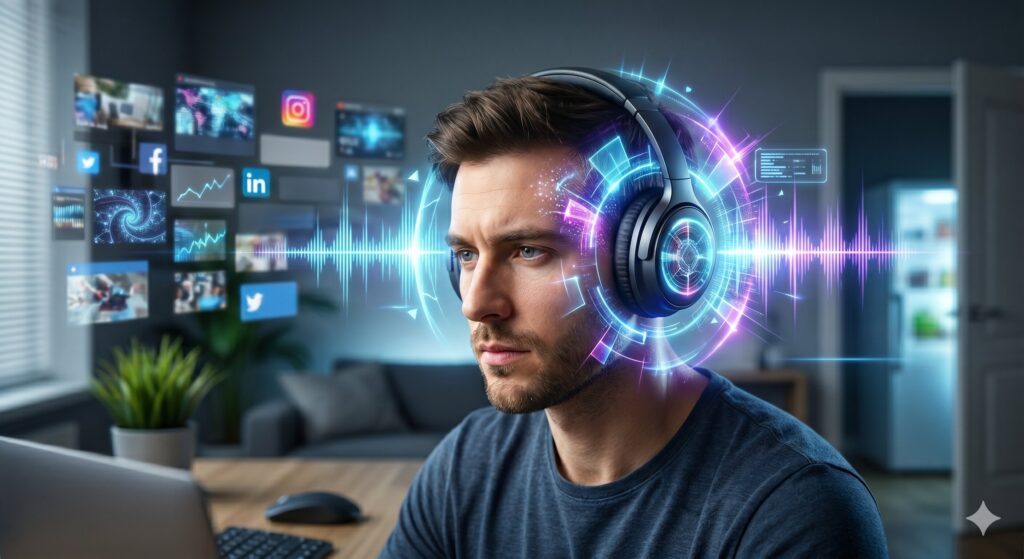
When your brain is stuck in a state of high-stress Beta waves all day, it never gets the chance to move into the “encoding” phase. This is the biological process where short-term information becomes long-term knowledge. Most of us are looking for a miracle cure—a digital pill we can swallow to fix the fog. That’s where the viral appeal of 7-second audio tracks comes in. It promises a “quick fix” for a complex biological problem.
The Science (and Hype) Behind 7-Second Audio Tracks
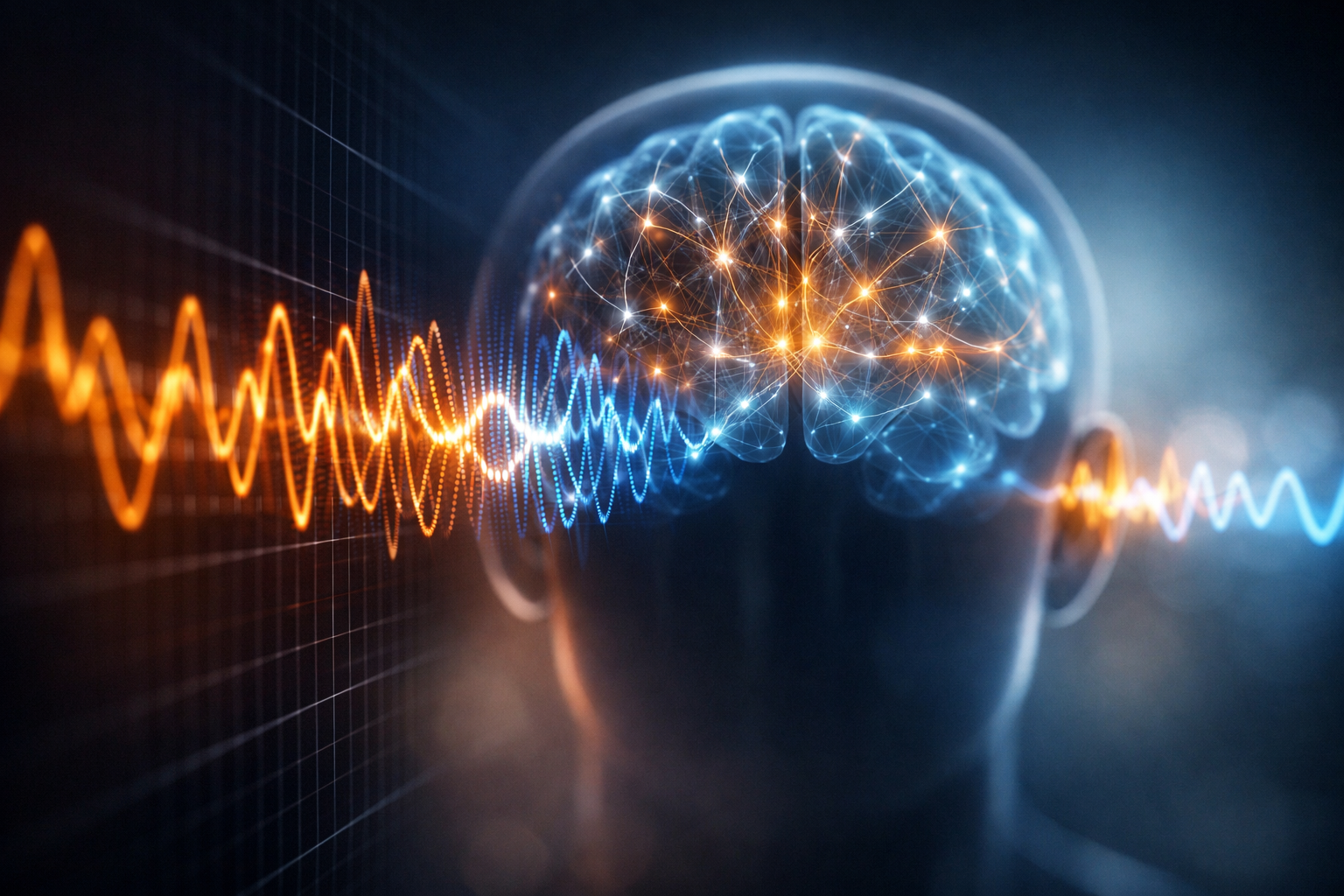
Is there any scientific weight to this? Sort of. The concept is based on Targeted Memory Reactivation (TMR) and brainwave entrainment.
Researchers have found that playing specific sounds—often called “bursts”—can trigger the brain to strengthen certain neural pathways. Usually, this happens during sleep [Insert External Link: Study on acoustic stimulation and memory consolidation]. The idea is that a very short, high-intensity frequency can “nudge” your brain into a Theta or Alpha state, which are the zones where memory and creativity live.
However, let’s be real: 7 seconds is incredibly fast. While a quick burst can act as a “pattern interrupt”—snapping you out of a daydream and back into the present moment—it isn’t a magic file-storage system for your brain. It’s more like a digital smelling salt. It wakes up your neurons, but you still have to do the work of focusing.
How to Effectively Use Sound Beyond 7-Second Audio Tracks
If you want to actually see an improvement in your recall, you should treat these short tracks as a “trigger” rather than the whole solution. Here is how we recommend integrating audio into your memory routine:
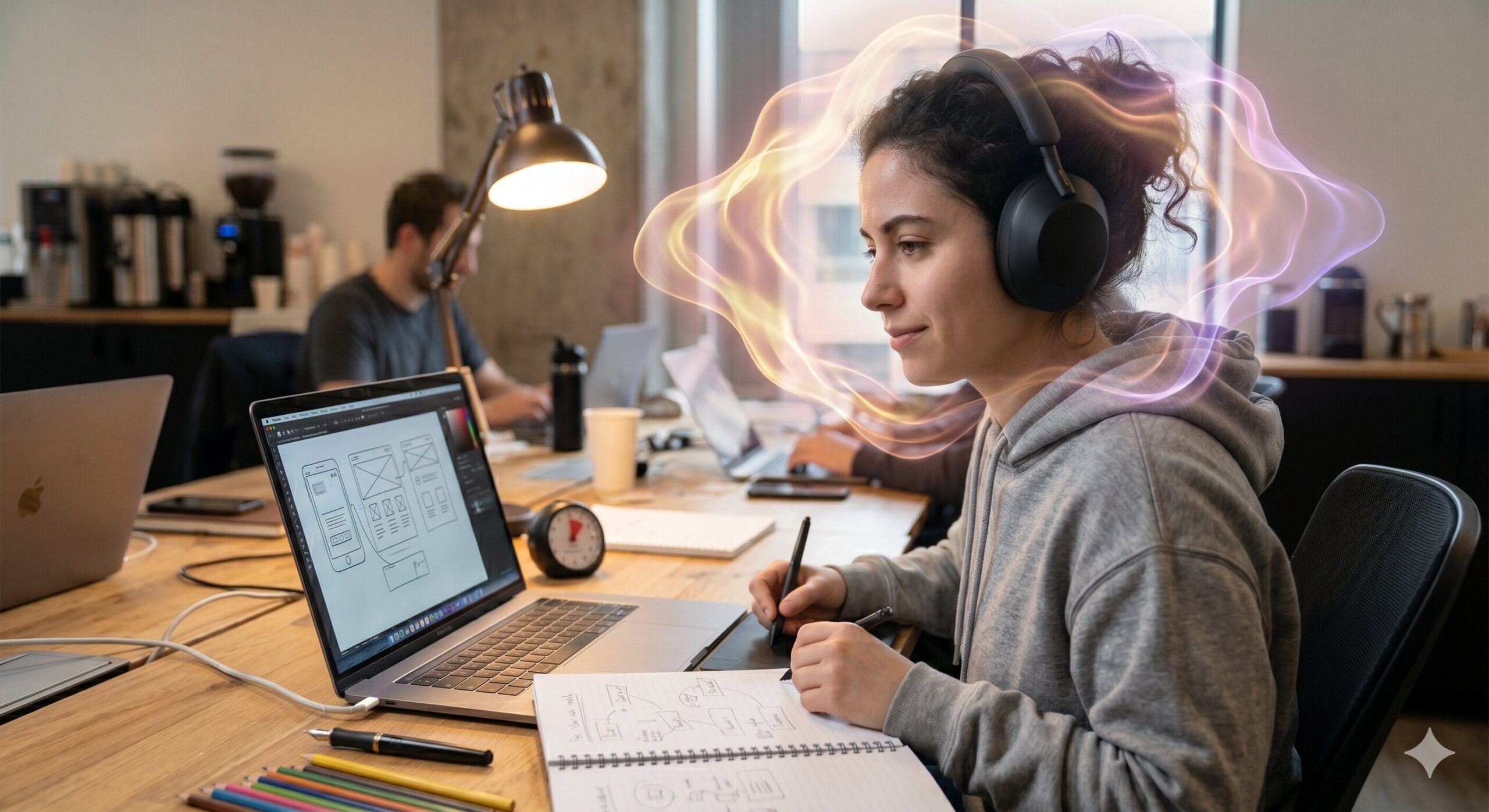
- The Pattern Interrupt: Use a 7-second audio track when you feel your mind wandering during a meeting. It serves as a mental reset button.
- Anchor Your Learning: Play a specific sound or frequency while you are learning a new skill. Later, play that same sound to “prime” your brain for recall.
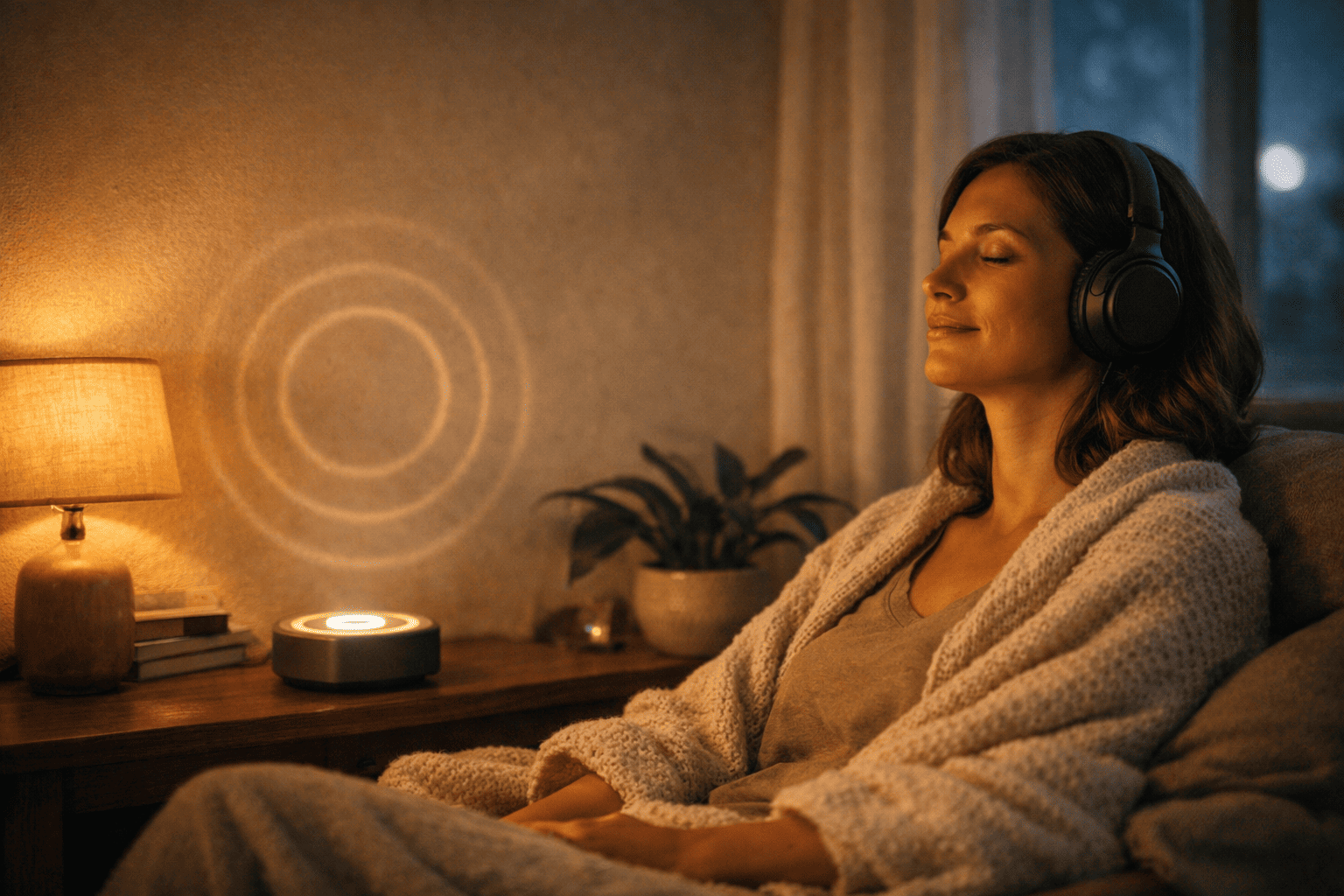
- Layering for Depth: Don’t stop at 7 seconds. Follow that initial burst with a longer session of 10-12 Hz Alpha waves to maintain the state of “relaxed alertness” [Insert Internal Link: Our guide to Alpha wave study sessions].
Transitioning From Mental Sharpness to Physical Stamina
Even the best audio hacks in the world can’t fix a brain that is running on empty. I’ve seen people try every “brain hack” on the list while totally ignoring their physical baseline. If your body is exhausted, your memory will be too.
To truly clear the fog, you have to support your cellular energy. While audio can tune the “radio” of your mind, you still need a strong battery to power the device. If you’re ready to move past quick fixes and build a foundation of real, lasting physical and mental energy, you need to check out the protocol I use every day: Wholesome Quests Energizer. It’s the missing piece for anyone trying to sustain peak performance without the 3:00 PM crash.
Final Thoughts
Can 7-second audio tracks improve your memory? As a standalone “cure,” probably not. But as a tool in your cognitive toolkit? They are fascinating. Think of them as a “mental gear shift.” They help you move from a scattered state into a focused one, but you still have to drive the car.
Use technology to give yourself an edge, but don’t forget that a sharp memory is built on a foundation of good sleep, proper nutrition, and consistent mental exercise.
FAQ: Memory and Audio Hacks
1. Are 7-second audio tracks the same as binaural beats? Not exactly. Binaural beats usually require several minutes of listening for the brain to “entrain” or sync up with the frequency. A 7-second track is usually an isochronic tone or a specific “burst” designed to act as an immediate neurological trigger.
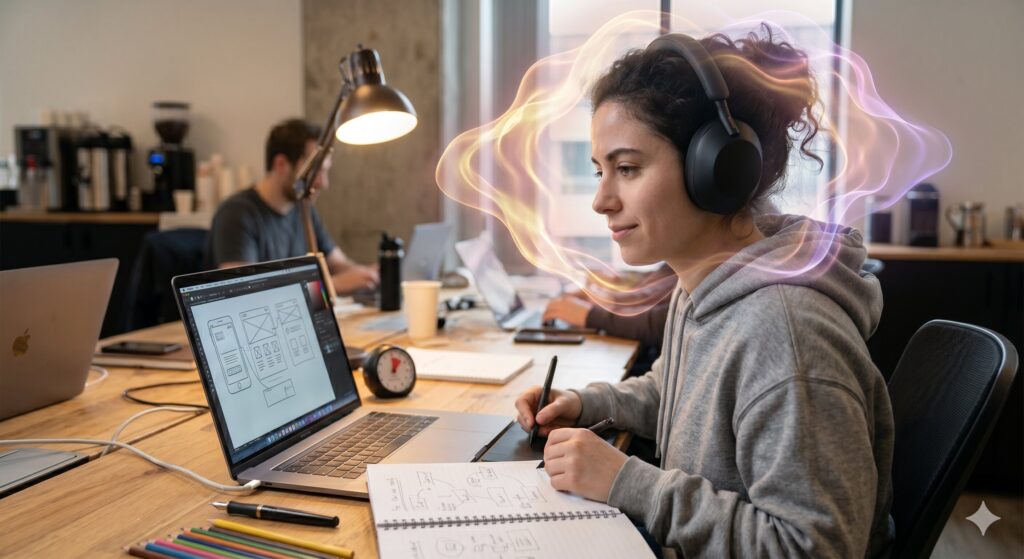
2. Can I listen to these tracks without headphones? For most 7-second frequency bursts, headphones aren’t strictly necessary, but they are highly recommended. To get the full effect of the sound frequency without environmental interference, high-quality over-ear headphones are your best bet.
3. Will this help me remember things for exams or big presentations? It can help with “state-dependent memory.” If you listen to a specific track while studying and then listen to it again right before your presentation, it can help your brain “unlock” the information you learned while in that same auditory state.