
Introduction
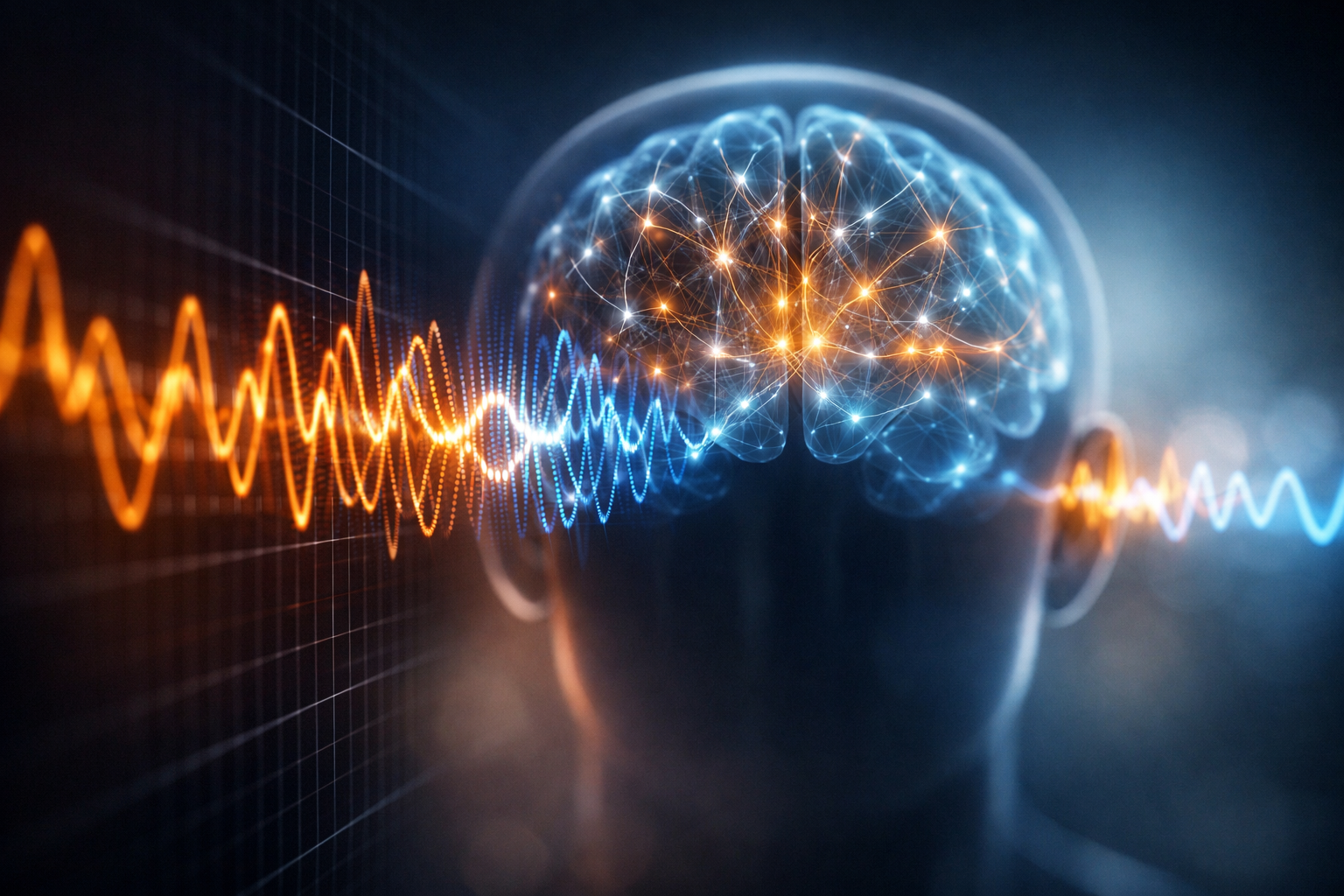
In the ever-expanding world of wellness and cognitive enhancement, sound-based therapies are carving out a significant niche. Following our exploration of binaural beats, we now turn our attention to another powerful auditory tool: isochronic tones. These rhythmic pulses of sound offer a distinct and potent method for influencing brainwave patterns, a process known as brainwave entrainment. This article provides a comprehensive guide to isochronic tones, exploring the science behind them, their potential benefits, and how they compare to their more famous cousin, the binaural beat.
What Are Isochronic Tones?
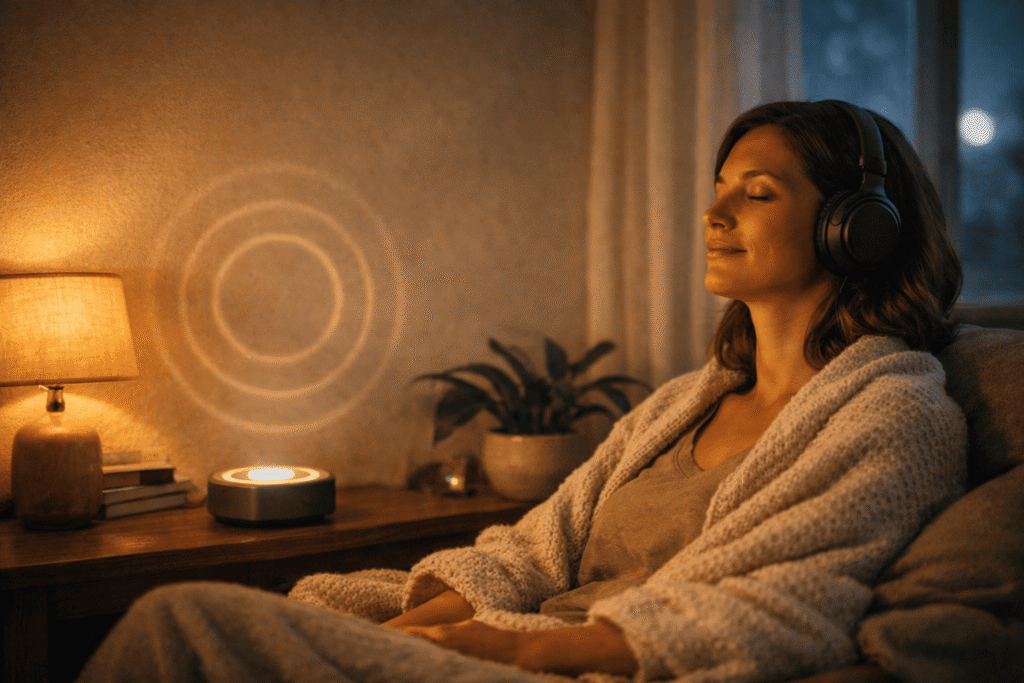
An isochronic tone is a single, distinct tone that is rapidly turned on and off in a precise, evenly spaced pattern. This creates a sharp, rhythmic pulse. Unlike the subtle, continuous hum of other entrainment methods, isochronic tones are clear and distinct. It is this strong, repetitive stimulus that makes them a particularly effective tool for brainwave entrainment, as the brain can easily lock onto the rhythm [1].
This process does not require headphones to be effective, as the sound is delivered directly. This makes isochronic tones a more versatile option for those who prefer to listen through speakers.
The Science of Brainwave Entrainment
The core principle behind isochronic tones is brainwave entrainment, a fascinating neurological phenomenon. The brain naturally produces electrical impulses, or brainwaves, which correspond to different states of consciousness. These are measured in Hertz (Hz) and are categorized into distinct patterns:
| Brainwave Pattern | Frequency Range (Hz) | Associated States & Benefits |
|---|---|---|
| Delta | 0.5–4 Hz | Deep, restorative sleep; pain relief; anti-aging [1] |
| Theta | 4–7 Hz | Deep meditation, creativity, REM sleep, enhanced memory [1] |
| Alpha | 7–13 Hz | Relaxed focus, stress reduction, positive thinking [1] |
| Beta | 13–30 Hz | Active concentration, problem-solving, alertness [1] |
| Gamma | 30–50 Hz | High-level cognitive function, peak awareness, memory recall [1] |
By listening to isochronic tones at a specific frequency, the brain begins to synchronize its own electrical activity to match that rhythm. For example, listening to a 10 Hz alpha wave tone can guide the brain into a state of relaxed alertness, making it a powerful tool for achieving desired mental states on demand.
Isochronic Tones vs. Binaural Beats: A Key Distinction
While both isochronic tones and binaural beats aim to achieve brainwave entrainment, their methods differ significantly. A binaural beat is an auditory illusion created inside the brain when two slightly different frequencies are presented to each ear via headphones. In contrast, an isochronic tone is a direct, external stimulus. Research suggests that the clear, distinct pulse of isochronic tones may provide a stronger and more consistent entrainment effect for some individuals [2].
The Potential Benefits of Isochronic Tones
The application of isochronic tones spans a wide range of cognitive and emotional benefits:
- Enhanced Focus and Concentration: Beta and Gamma frequency tones can sharpen mental clarity, making them ideal for studying, working, or any task requiring sustained attention.
- Deep Relaxation and Stress Relief: Alpha and Theta tones are highly effective at calming the mind, reducing anxiety, and fostering a sense of tranquility.
- Improved Sleep Quality: Delta wave tones can guide the brain into the deep, restorative sleep necessary for physical and mental recovery.
- Facilitated Meditation: For both novice and experienced meditators, Theta tones can help achieve deeper states of consciousness more quickly and consistently.
How to Safely Use Isochronic Tones
While generally safe, it is important to follow these guidelines for the best experience:
- Choose Your Goal: Select a frequency that aligns with your desired mental state (e.g., Beta for focus, Alpha for relaxation).
- Comfort is Key: Find a quiet, comfortable space where you will not be disturbed.
- Listen Responsibly: Keep the volume at a moderate level to protect your hearing. Avoid use while driving or operating machinery.
- Consult a Professional: Individuals with a history of seizures or other neurological conditions should consult a doctor before using any form of brainwave entrainment.
Conclusion
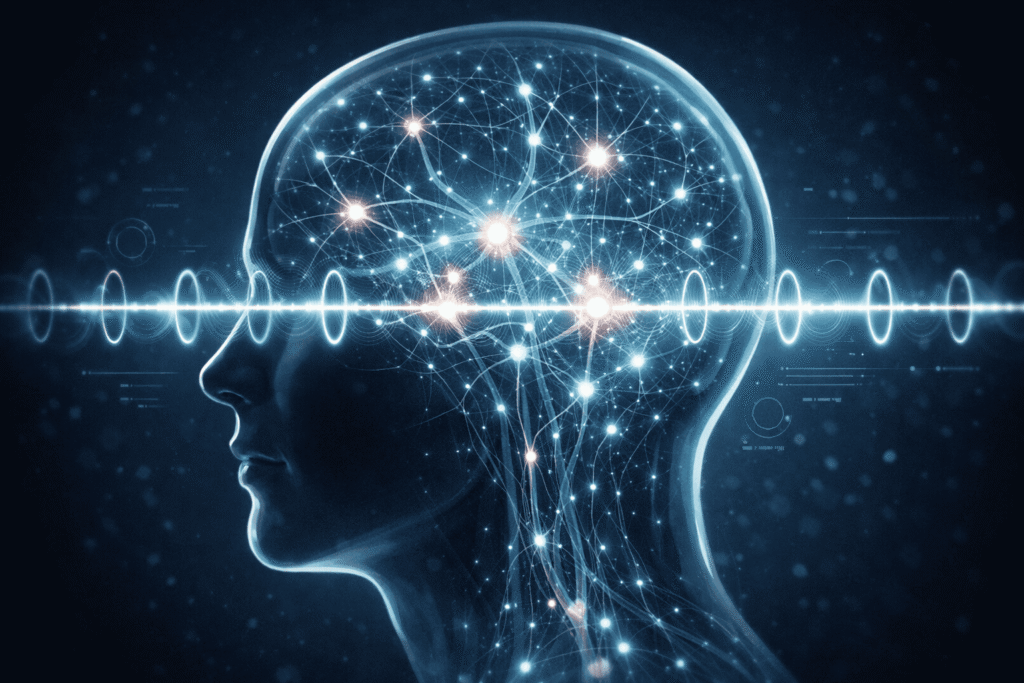
Isochronic tones represent a powerful, accessible, and effective method for harnessing the brain’s natural ability to synchronize with external rhythms. By providing a clear and direct stimulus, they offer a potent tool for enhancing focus, promoting relaxation, and improving overall well-being. Whether you are seeking to boost your productivity, deepen your meditation practice, or simply find a moment of calm in a busy world, isochronic tones provide a rhythmic pathway to a more balanced and optimized mind.
References
[1] Healthline. (2020). Isochronic Tones: Benefits, Research, Beats, and More. Retrieved from https://www.healthline.com/health/isochronic-tones [2] Brain.fm. (2025). Isochronic Tones vs. Binaural Beats: Which Is Better for Your Mind?. Retrieved from https://www.brain.fm/blog/isochronic_tones_vs_binaural_beats_which_is_better_for_your_mind